Construction Workflow Software
Most operational problems do not start with software. They start with fragmented workflows.
In technical, construction, and project-driven businesses, daily operations often rely on Excel, email, phone approvals, PDFs, separate files, manual reporting, and scattered operational information.
Contractor offers, comparative analysis, approvals, contracts, and financial tracking often live in different systems — making operational visibility extremely difficult as projects grow.
The problem is not a lack of tools
Most businesses already have software, spreadsheets, and communication tools. The problem is that procurement workflows, contractor evaluation, and approval processes are not connected. Operational data stays fragmented, approvals go untracked, and financial reporting still depends on manual consolidation.
This creates coordination delays, unreliable cost visibility, approval bottlenecks, duplicated procurement work, and decisions made without a complete operational picture.
What structured operational workflows look like in practice
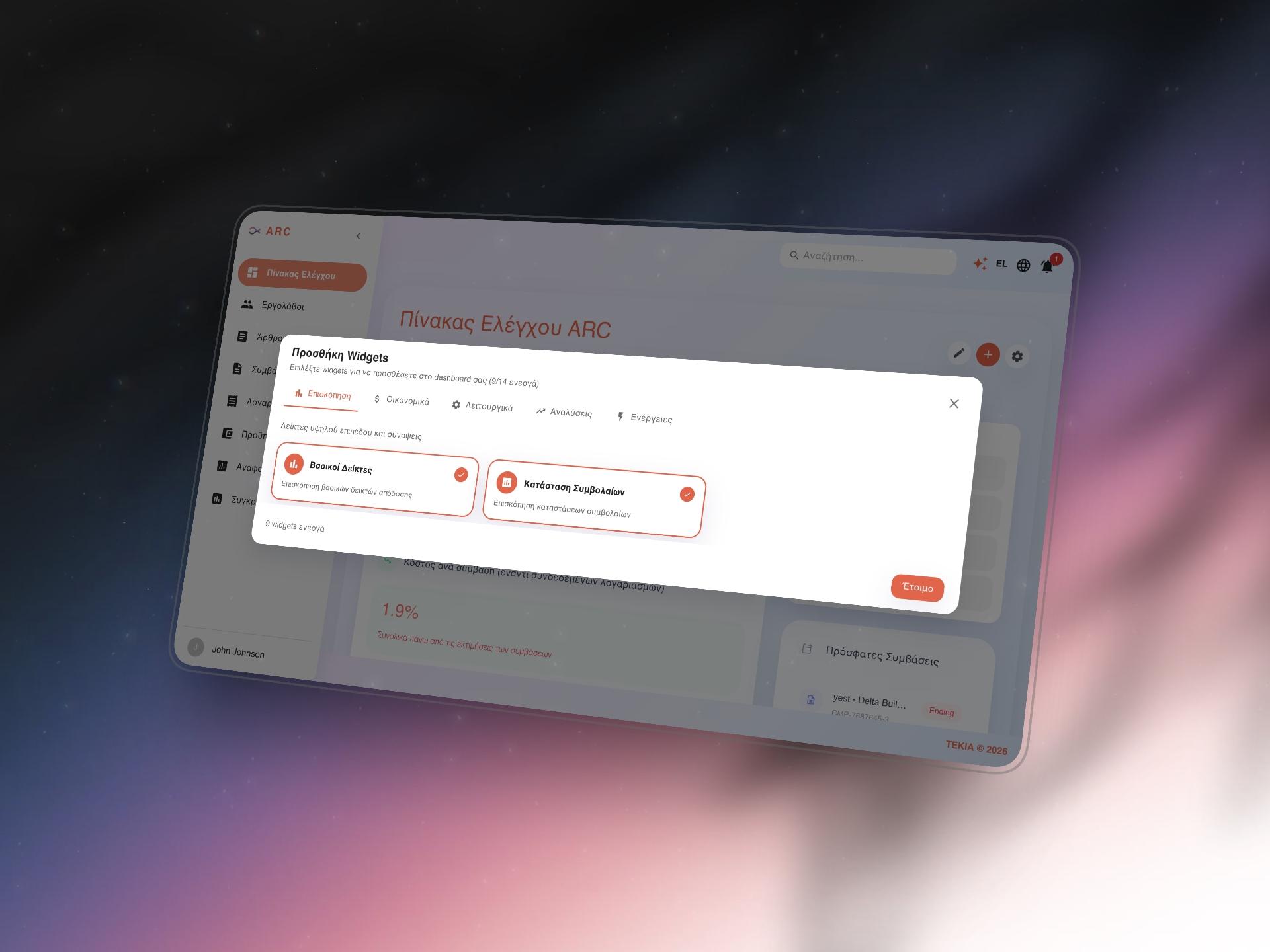
An organized operational environment connects contractor workflows, procurement processes, structured approvals, contract workflows, comparative analysis, financial tracking, and reporting — in one operational system rather than across disconnected files.
Teams work from the same operational picture. Contractor history, approval status, and financial data are visible without depending on specific individuals to hold the full context.
Why comparative workflows matter
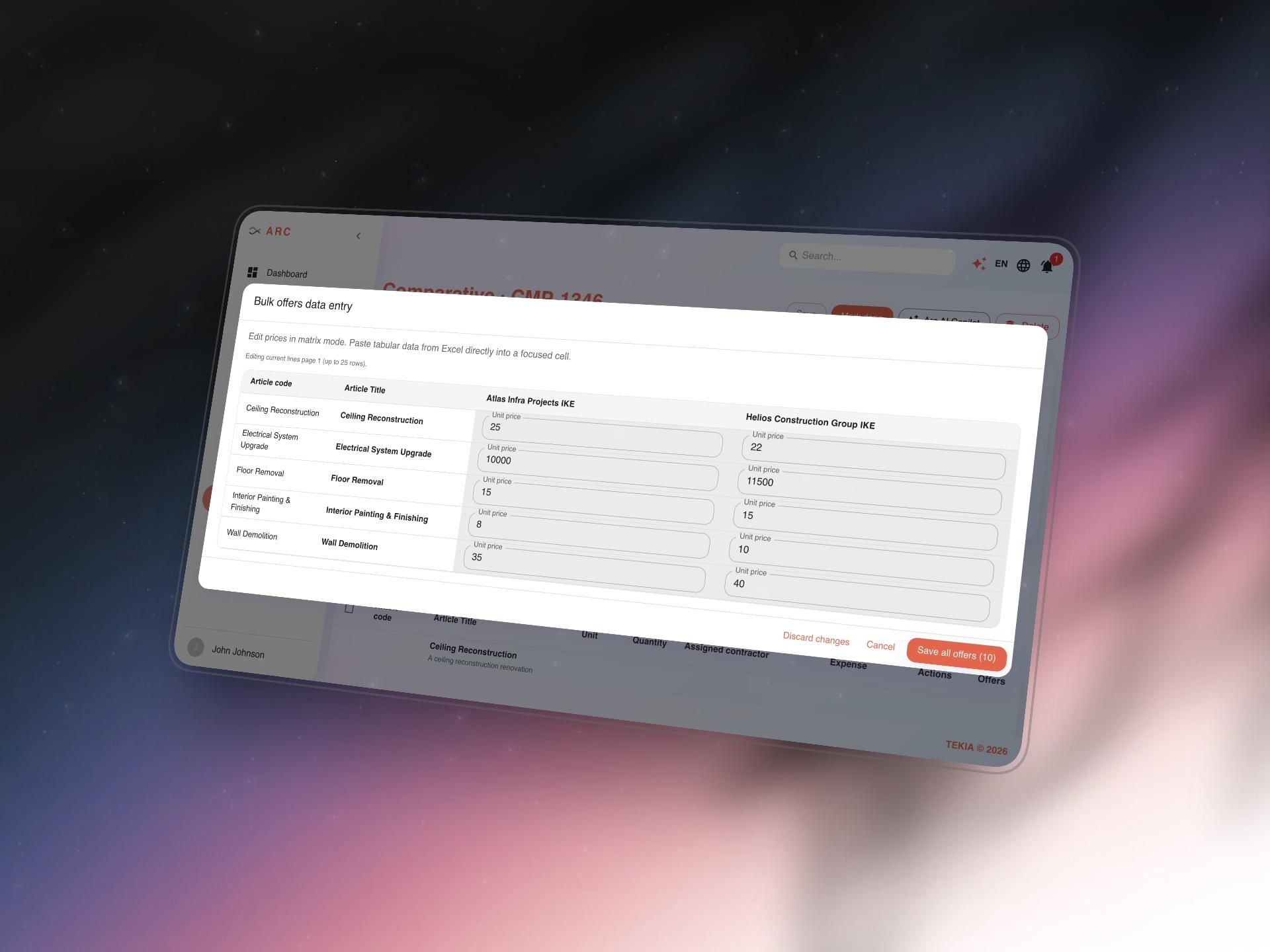
One of the most critical operational workflows in project-driven businesses is comparing contractor offers, scopes, prices, and decisions in a structured way.
When comparative analysis lives only in spreadsheets, teams lose visibility over pricing history, approvals, selected contractors, and cost impact.
A structured comparative workflow helps businesses evaluate offers more consistently, reduce decision confusion, and connect procurement decisions with project cost organization.
From fragmented workflows to operational visibility
Improving operations is not about adding another platform. It is about structuring how procurement, contractor coordination, approvals, and financial tracking work together.
Businesses that build this operational visibility early gain clearer project control, more reliable contractor comparison, and financial processes that scale as project volume increases.
Practical AI for operational workflows
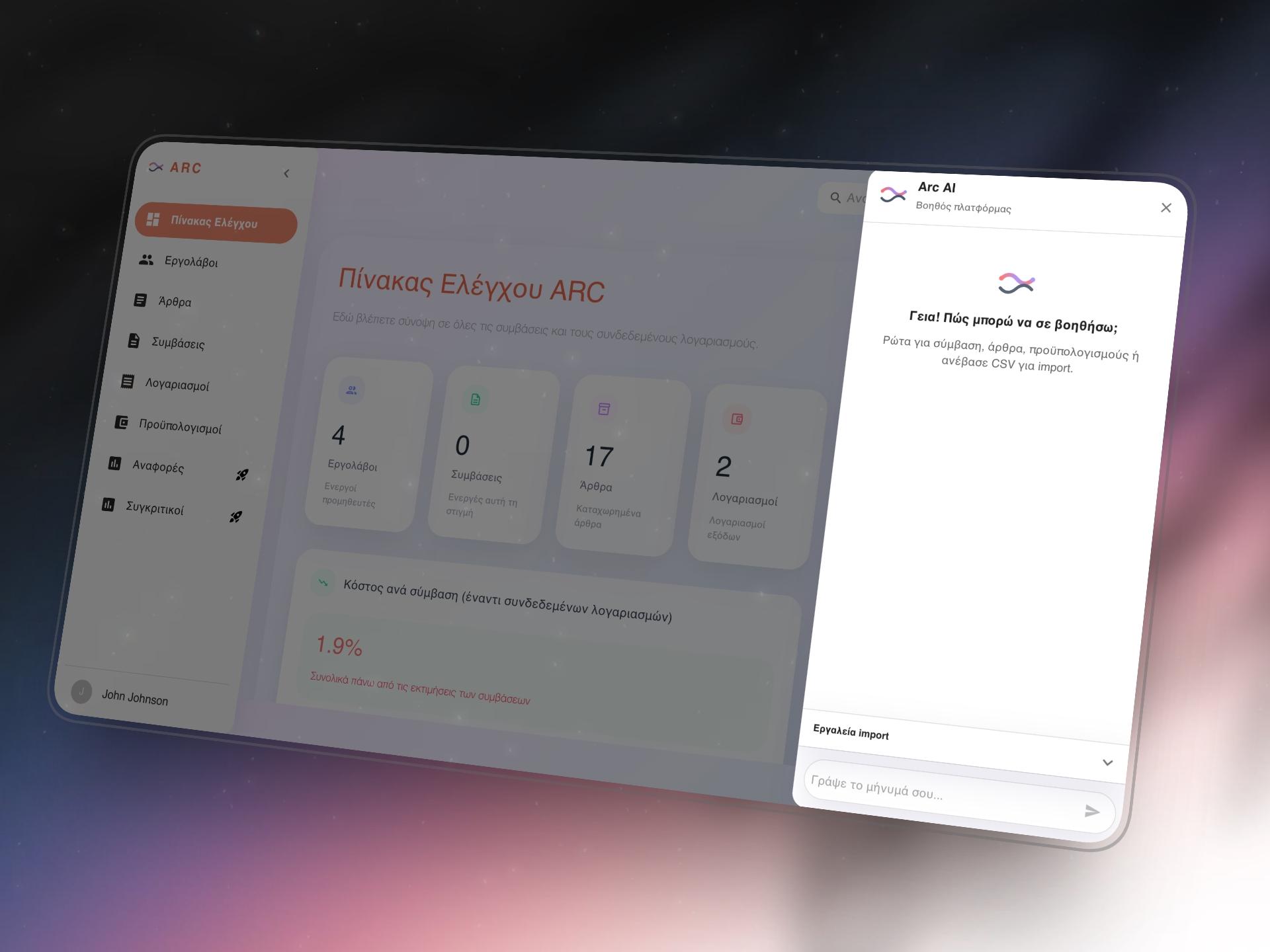
AI is becoming increasingly relevant in operational environments, but reliability and explainability remain critical.
At ARC, AI is designed to support real operational workflows — not replace them.
Practical AI assistance can help teams:
- •summarize contracts faster
- •surface operational risks
- •extract structured information from documents
- •improve visibility across projects and financial workflows
However, financial and procurement operations still require structured workflows, explainability, and reliable operational controls behind the AI layer.
Where TEKIA helps
Most businesses do not need more software platforms. They need better operational visibility.
As projects, contractors, contracts, and financial processes become more complex, structured workflows become essential for maintaining operational clarity and long-term scalability.
TEKIA helps technical and project-driven businesses organize workflows, contractors, reporting, procurement processes, and operational visibility through structured digital systems.
The ARC operational platform supports contractor workflows, operational tracking, comparative analysis, approvals, reporting, and financial visibility.
Let's organize the way your business operates.
TEKIA helps technical and project-driven businesses organize workflows, contractors, reporting, procurement processes, and operational visibility through structured digital systems.